Exceptional Concrete Solutions for Durable and Stylish Structures
High-caliber building solutions prove instrumental in safeguarding both structural integrity and aesthetic appeal in building projects. Utilizing high-grade materials and advanced practices can dramatically enhance the longevity of structures. However, many dismiss the necessity of selecting the competent contractor. This often results in costly mistakes and subpar results. Mastering the subtleties of concrete services can highlight choices that not only meet practical needs but also augment style. What should one consider carefully when making this vital choice?
Benefits of Quality Concrete Services
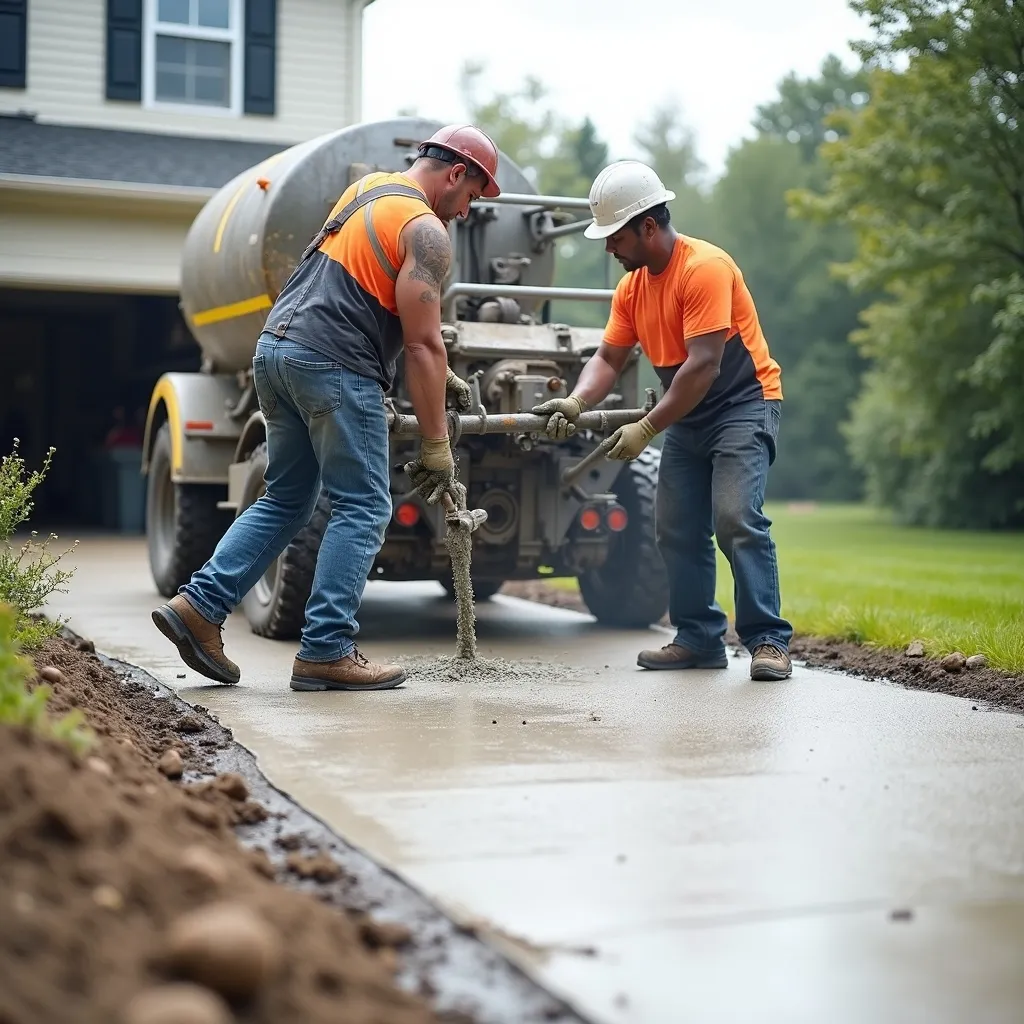
Quality concrete services play an essential role in the success of construction projects. They establish the base for structures, guaranteeing durability and stability. High-quality concrete can withstand environmental stresses, reducing the likelihood of cracks and other building defects over time. This reliability not only strengthens safety but also reduces maintenance costs, making it a budget-friendly choice for builders and property owners.
Additionally, quality concrete services present aesthetic options that can boost a development's curb appeal. Methods featuring colored stamping and decorative finishes allow unique patterns that can align with a structure's style. Efficient and expert execution of concrete installation also boosts project efficiency, mitigating delays that can occur due to subpar materials or workmanship. In conclusion, opting for quality concrete services provides the basis for sturdy, reliable structures, emphasizing their importance in the overall landscape of construction practices.
Common Problems in Deciding on Concrete Providers
Selecting the optimum concrete options can significantly affect the total success of a construction project. One typical mistake is choosing cost over quality, which leads to substandard materials and workmanship. Clients often fail to validate the contractor’s credentials, potentially resulting in the hiring of unqualified personnel. Another frequent error is neglecting to examine past projects or client testimonials, missing the opportunity to evaluate the contractor's reliability and expertise. Additionally, insufficient communication regarding project specifications can cause misunderstandings and unsatisfactory outcomes. Many also neglect the importance of understanding the various concrete types available, which can influence durability and appearance. Furthermore, ignoring the future maintenance requirements can cause unexpected costs and repairs down the line. By being aware of these pitfalls, clients can make more knowledgeable decisions, ensuring their concrete services satisfy both functional and aesthetic needs.
How to Locate the Perfect Concrete Providers?
When choosing concrete services, it is crucial to evaluate the experience and expertise of potential providers. Reviewing the range of services offered can also help ensure that specific project needs are met. A comprehensive analysis can lead to a more informed decision and successful outcomes in construction projects.
Analyze Experience And Specialization
To ensure a effective concrete project, it is crucial to assess the experience and expertise of potential contractors. Assessing a contractor's track record can provide insights into their reliability and skill level. Prospective clients should ask about previous projects, focusing on similar work and the challenges faced. A well-established provider often possesses not only technical skills but also solution-oriented abilities honed over years in the industry. Additionally, checking for certifications and training can indicate a commitment to excellence and safety standards. Referrals and client testimonials serve as useful resources for gauging satisfaction and performance. Ultimately, selecting a concrete service provider with substantial experience can greatly affect the project's durability and overall aesthetic appeal.
Examine Service Coverage Supplied
How can one identify the most appropriate concrete services for a specific project? Evaluating the service range provided by prospective contractors is essential. A detailed service portfolio typically encompasses options such as decorative concrete, stamped finishes, and various mix designs. It is also important to reflect on whether they provide specialized services like repair, resurfacing, or custom installations. By reviewing the types of projects previously completed, one can assess the contractor's versatility and capability. Additionally, asking regarding the materials and techniques used can reveal the commitment to quality and innovation. Ultimately, a clear understanding of the available services will assist in selecting a provider that aligns with the specific requirements and aesthetic goals of the project.
Innovative Cement Services and Techniques
Progressive concrete services are reinventing the construction landscape through visual embellishments and responsible practices. These technological advances not only refine aesthetic appeal but also copyright environmental responsibility. As the industry expands, the integration of inventiveness and sustainability in concrete applications becomes increasingly fundamental.
Aesthetic Concrete Services
As the demand for aesthetically pleasing and functional surfaces expands, decorative concrete solutions have become a preferred selection in modern construction. These creative methods transform basic concrete into dramatically impressive elements that elevate both business and residential spaces. Options such as stamped concrete, visible aggregate, and colored finishes allow for personalization that satisfies different design tastes. Additionally, decorative overlays can revitalize existing surfaces, offering a economical method to achieve a updated aesthetic. The flexibility of ornamental concrete not only elevates visual attractiveness but also adds to lasting quality, making it suitable for heavily used locations. As builders and architects persistently investigate creative possibilities, concrete decorative options are set to serve a significant role in upcoming construction movements.
Environmentally responsible Concrete Practices
Concrete techniques that are sustainable are increasingly vital in the building sector, driven by growing awareness of environmental impact. These approaches seek to minimize the carbon footprint associated with concrete production and usage. Techniques such as utilizing recycled materials, including fly ash or slag, not only improve longevity but also reduce waste. The integration of advanced additives can improve performance while lowering the amount of cement required. Additionally, adopting energy-efficient methods during manufacturing and transportation contributes to lower emissions. Environmental certifications and sustainable designs additionally stress environmental responsibility, guaranteeing projects satisfy modern ecological requirements. As the sector evolves, the integration of green methods will serve as a key factor in attaining long-lasting and ecologically conscious construction approaches.
Sophisticated Concrete Options for Your Project
While many may link concrete with a practical approach to building, elegant concrete solutions have emerged as a demonstration of innovation and design flexibility. Modern techniques allow for a wide array of coatings and surfaces, converting concrete into an aesthetic feature. Ornamental concrete choices, such as stamped patterns and polished surfaces, enable architects and designers to produce impressive visual impacts that improve both domestic and commercial spaces.
Coloring agents and pigments can be incorporated, delivering a spectrum of hues to suit any design vision. Additionally, concrete can be molded into detailed configurations, permitting unique architectural features that stand out. The blending of concrete with various substances, such as wood and metal, substantially improves its desirability. Whether for driveways, patios, or artistic installations, stylish concrete solutions create an occasion to merge utility with aesthetic expression, ensuring that projects are not only resilient but also aesthetically delightful.
Prolonged-Term Benefits of Elite Concrete Investments
Choosing superior concrete solutions not only enhances aesthetic appeal but also offers significant long-term advantages. One of the foremost advantages is toughness; high-quality concrete weathers weather extremes, reducing the need for recurrent maintenance. Its safeguard against cracking and chipping guarantees permanence, positioning it as a practical investment over time.
Furthermore, premium concrete aids in energy efficiency. Its thermal mass properties help stabilize indoor temperatures, potentially decreasing heating and cooling costs. This quality encourages sustainability, in line with environmentally-conscious construction practices.
Furthermore, the malleability of premium concrete facilitates a vast assortment of architectural options, empowering property owners to fashion signature, made-to-order spaces that can adapt to future demands. Overall, opting for premium concrete methods not only reinforces load-bearing capacity and visual appeal but also delivers noteworthy economic gains and sustainability advantages, see this article securing a wise venture for the future.
Genuine Cases of Definite Achievement
Numerous programs globally underscore the transformative strength of excellent concrete in construction. One prominent example is the Burj Khalifa in Dubai, where robust concrete facilitated the skyscraper to obtain unprecedented heights while guaranteeing stability. Similarly, the National Museum of African American History and Culture in Washington, D.C., incorporated architectural concrete to integrate durability with design elegance, producing a striking and resilient structure.
In Australia, the Sydney Opera House demonstrates how concrete can be both functional and famous, with its singular sail-like design held up by intricate concrete forms. Moreover, the use of permeable concrete in urban landscapes has enhanced drainage and lessened flooding in cities like Portland, Oregon.
Regular Inquiries That Get Asked Frequently
What Are the Ecological Effects of Concrete Production?
Concrete manufacturing greatly contributes to carbon dioxide emissions and depletion of resources. It requires substantial energy, resulting in air and water pollution. Additionally, quarrying for raw materials disrupts ecosystems, emphasizing the environmental challenges linked to concrete manufacturing.
What Are the Most Effective Methods to Preserve My Concrete Finishes Efficiently?
To maintain concrete structures efficiently, regular cleaning is vital, combined with sealing to prevent water seepage. Refrain from using harsh chemicals, and immediately address cracks or damage to preserve the surface's structural integrity and appearance.
What Are the Costs Linked to High-Quality Concrete Services?
The expenses connected with high-grade concrete services typically run from $3 to $10 per square foot, driven by considerations like material quality, project complexity, and labor intensity, consequently reflecting the durability and aesthetic appeal desired.
Does Concrete Have the Capacity to Be Reused or Recycled Post-Demolition?
Concrete can be recycled and reused after demolition. Recycled concrete aggregates can function in new construction, reducing landfill waste and advancing environmental responsibility. This practice benefits the environment while upholding structural integrity in future projects.
What Licenses Should a Concrete Contractor Needed to Possess?
A concrete contractor should acquire credentials such as ACI (American Concrete Institute), NRMCA (National Ready Mixed Concrete Association), and local authorization. These credentials ensure adherence to established guidelines, safety requirements, and quality assurance in concrete work.